Unfiltered Criticism / Critique Gratuite— Contemporary Art Exhibitions in Paris
Unfiltered Criticism / Critique Gratuite is my monthly critical selection of exhibitions worth your time in Paris right now (or not) — focused on contemporary art, yet crossing its limits. This is not a directory, but a critical stance shaped by what I have actually seen across the city (often 30+ exhibitions a month). Each edition is published mid-month.
As a curator and critic based in Paris, I write with judgment — highlighting what matters, what fails, and what deserves more than applause.
November 2026 - Post-Art Week Paris
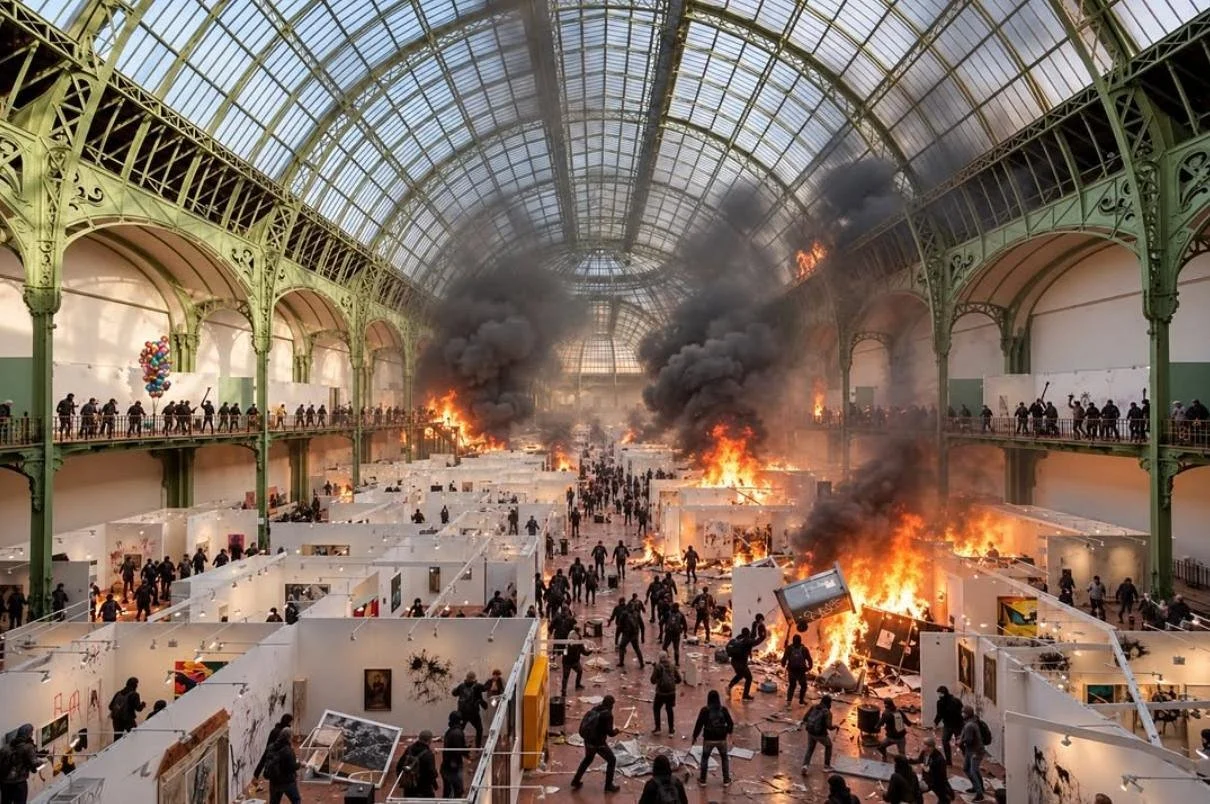
Speculative image. Source: lundi.amRemember I wanted to give you a Parisian art fair week report? Well…
So many things have happened in the last few weeks that this report feels somewhat irrelevant. What does feel relevant, on the other hand, is a little introspection into the state of the art of the art world.
Multiple questions are circulating in the ether. What happened? Where are we now? What was October 17th? Can speaking of anything else make any sense? Who is right? Why so much violence? Should we fear what’s about to come? What is about to come?
And most importantly, has the status quo changed? Has anything changed?
Let’s go in order. The demonstration in Paris on October 17th brought a two-day wave of degradation of public spaces and looting of private businesses across the city. The house I live in had center-stage views, albeit on the safer side. To my surprise, I watched the show in a somewhat immune state. I sincerely believe in collective memory, and mine is highly polluted by my grandparents having been at the center of WWII. So the five fires on my street, with electric bicycle batteries festively exploding like fireworks, were somehow entertaining at most.
For a brief moment, I had the intention of going to see all of them, but this impetus was cut short by a general feeling of fatigue and overwhelm, not to mention the call to arms circulating at liberty in the infinity of the World Wide Web, promising to eat the rich and finish the job of burning Paris to the ground on the 24th of October.
Luckily, no one tried to break in. Other people weren’t as lucky.
So all of this was the backdrop to the most important week of the art industry.
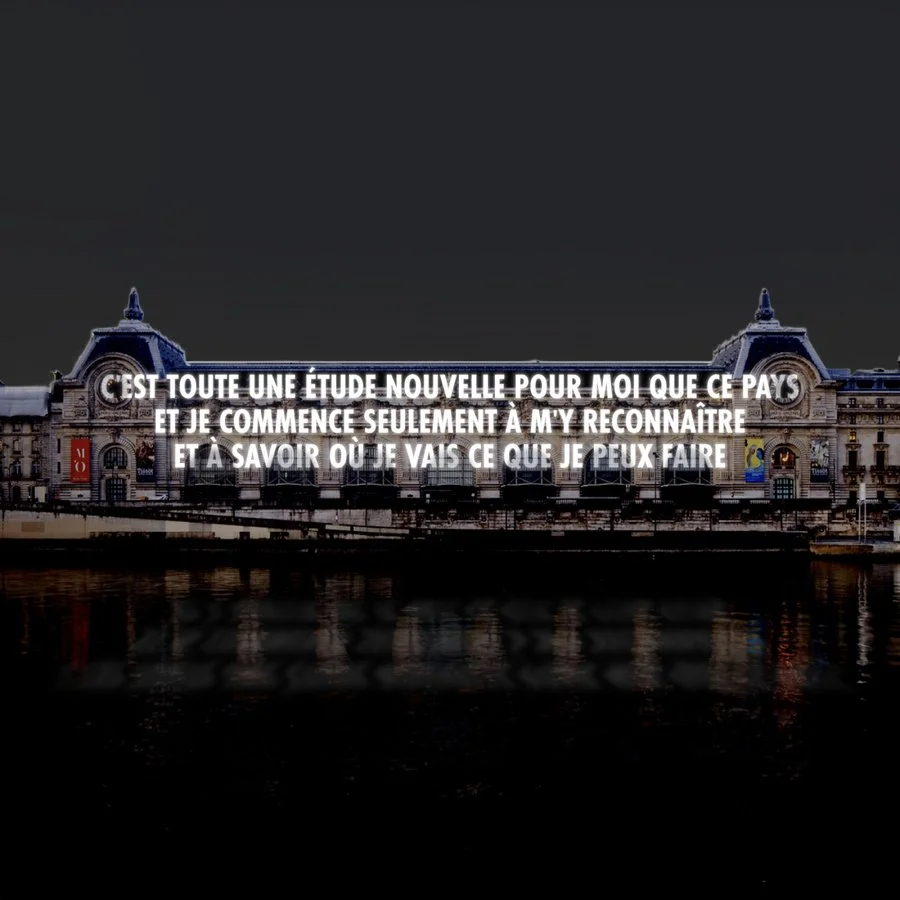
Amidst the myriad openings of major shows—Jenny Holzer at Orsay, Prune Nourry at the Petit Palais, Ibrahim Mahama at the Fondation Cartier, Yu Nishimura at Lafayette Anticipations, and a whole new art center, Large, in Boulogne-Billancourt, which I spoke of in my last newsletter—the week of October 20th was also blessed with 14… no, 15 (!) art fairs. “No way,” you’d say. Yes way.
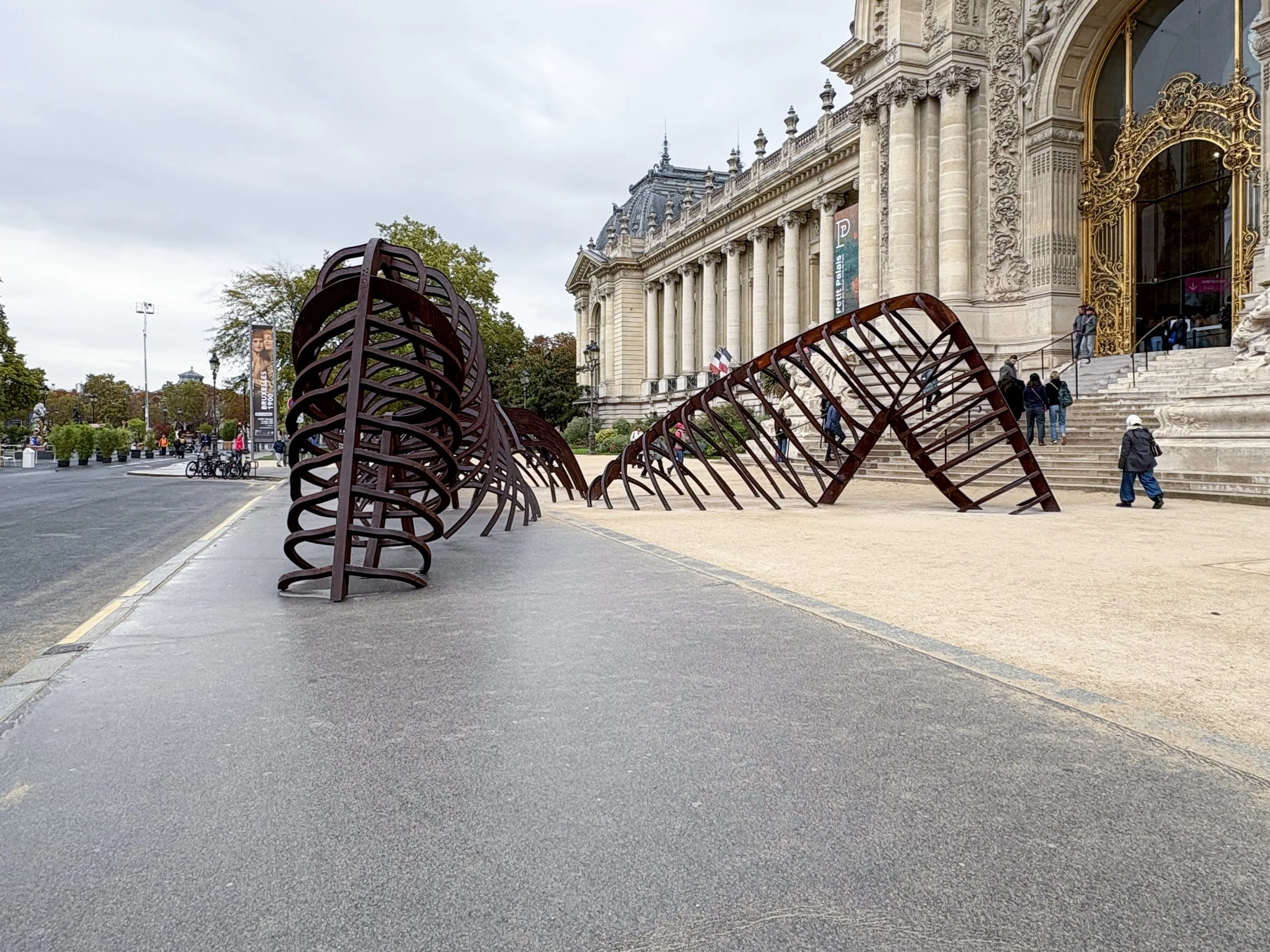
Prune Nourry, Mothership, Petit Palais, Paris, 2026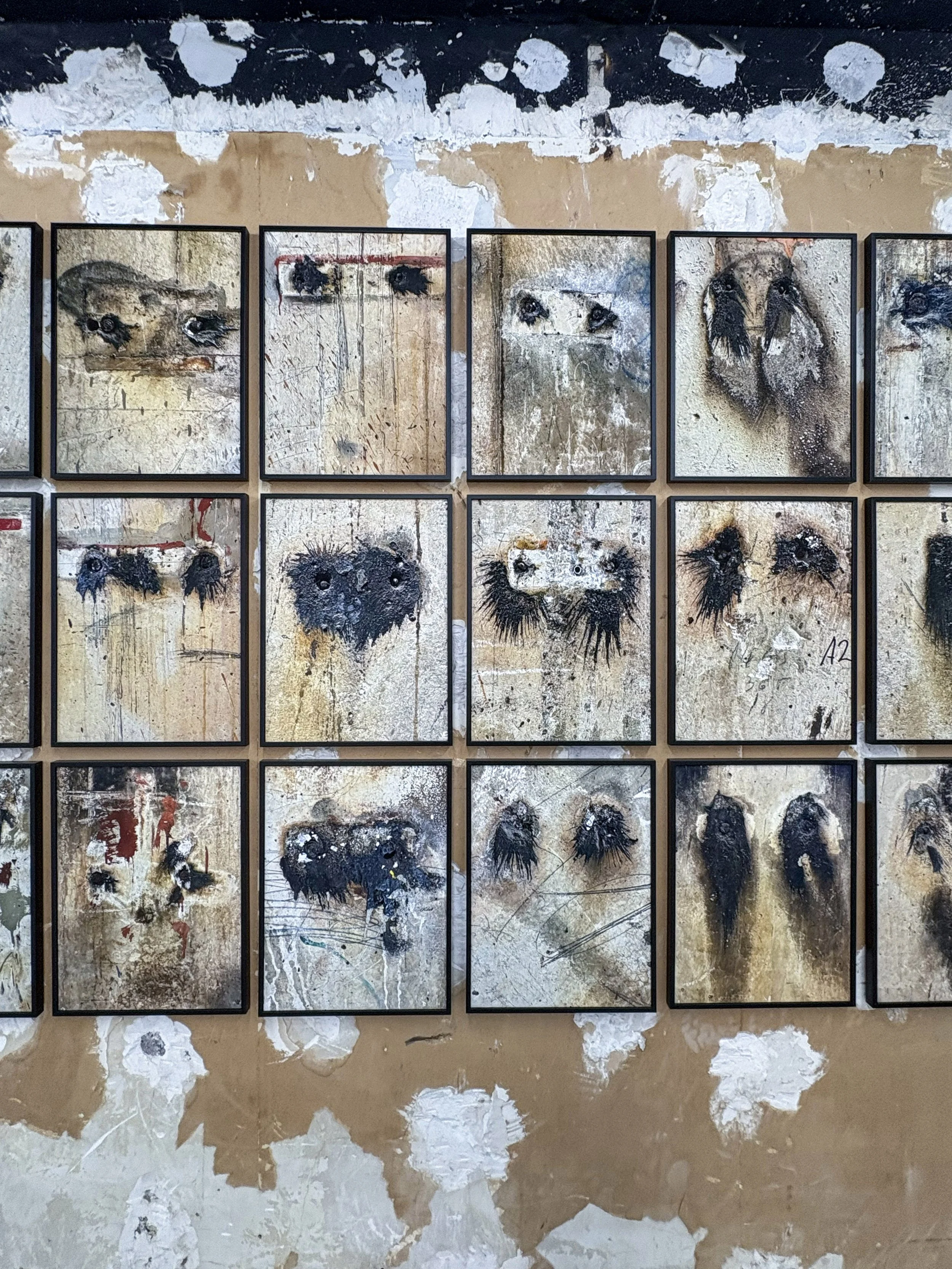
Installation view, Kiluanji Kia Henda, Galleria Fonti’s booth, Paris Internationale, 2026
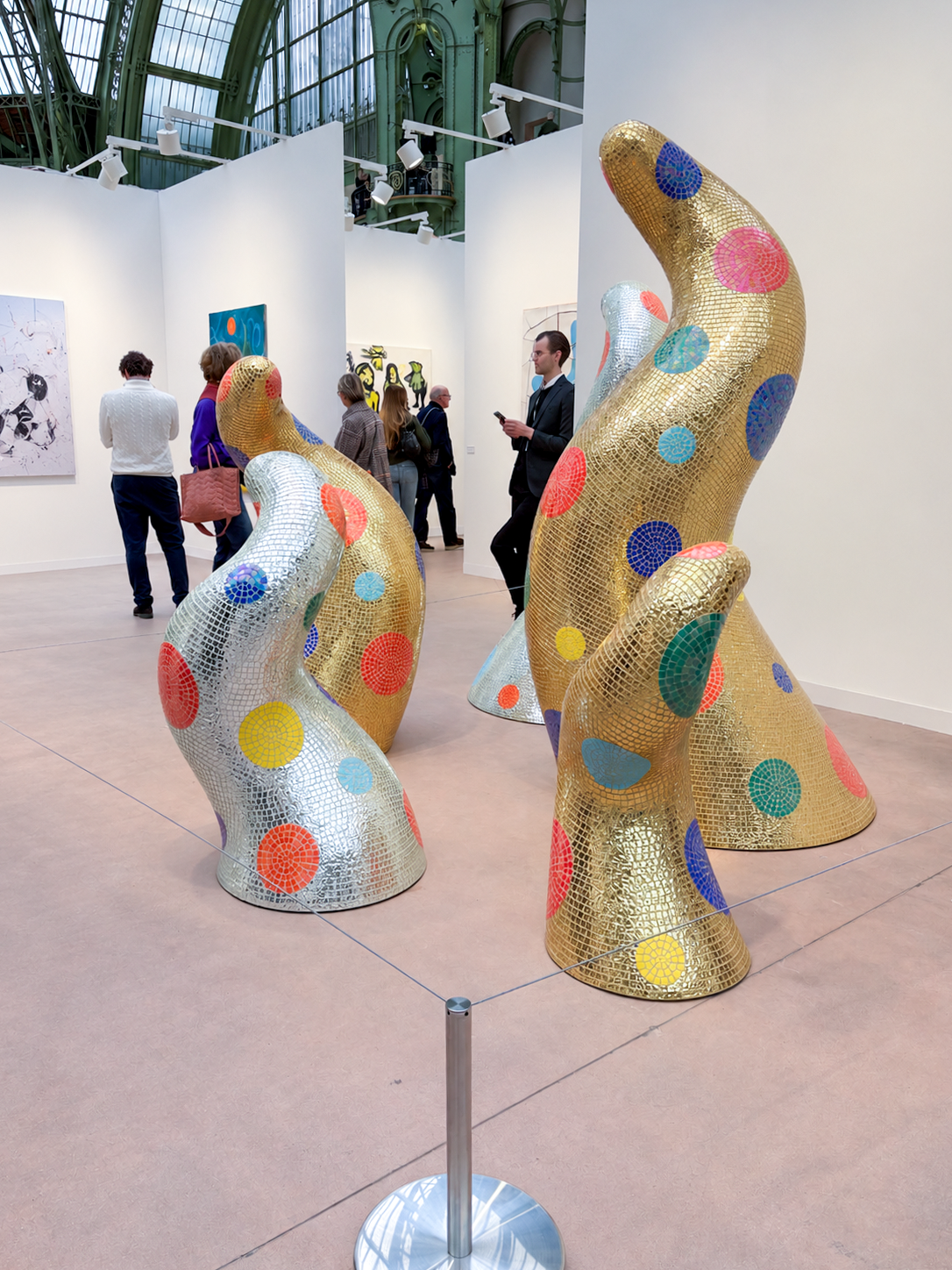
Yayoi Kusama, Life, presented by Victoria Miro at Art Basel Paris, Grand Palais, October 2026Art Basel (20–25 October) / Paris Internationale (19–24 October) / Offscreen (19–25 October) / Asia Now (19–24 October) / Post-Fair (19–24 October) / Parallel Vienna (19–24 October) / Ceramic Art Fair (20–25 October) / AKAA (22–25 October) / Moderne Art Fair (21–25 October) / Thema (21–25 October) / Coucou Paris (19–23 October) / Offprint (22–25 October) / Private Choice (18–25 October) / Outsider’ Paris (20–25 October) / Design Miami Paris (20–25 October)
For a brief moment, I had the intention of going to see all of them, but this impetus was cut short by a general feeling of fatigue and overwhelm, not to mention the call to arms circulating at liberty in the infinity of the World Wide Web, promising to eat the rich and finish the job of burning Paris to the ground on the 24th of October.
The threats worked. Most art centers and museums, as well as Art Basel, AKAA, Moderne and Private Choice, closed that Saturday. The majority reopened on Sunday. Some (I’m obviously pointing my finger at Art Basel) didn’t reopen at all.
The same people who menaced Art Basel at the Grand Palais with open fire then complained that Art Basel doesn’t care about the general public, that it was only open to VIPs for the first few days of the week, and that art and culture are only there for the rich and famous.
Excuse me, but why are we surprised that a fair that explicitly earns money from renting out booths to galleries, in return guaranteeing the safety of the visitors and the works, or perhaps the other way around, chose the safe business option to the detriment of someone else’s opportunities?
Don’t get me wrong, culture is there to be shared, and access to it must be guaranteed, but this is what public institutions are for—or, dare I say, public utility institutions, whatever that might mean. By the way, no one yelled at the Louvre for being closed that Saturday.
Before we get into the more complex topics emerging from this scandal—notably the constantly rising prices of artworks, the segregation between the top 10% of artworks sold and the rest, and the decreasing chances of success for artists of any age, all of which major art fairs, galleries, collectors and artists contribute to—what I am trying to focus on here is the lack of consistency in the demands. The desire to destroy is only romantic until you need to live through the uncertainty of the aftermath, which in itself brings lack, poverty, discomfort and pain.
Pulling everyone down or matching the lowest doesn’t automatically make things better. Instead, it increases competition even further. Let’s present a plan instead of playing God by breaking down the Babylonian tower. We have seen how that ends.
Now the professional committee for French art galleries has complained to Art Basel about its failure to reopen on Sunday and asked for compensation for the closed weekend. The story is to be continued.
My five cents: for one, reopening an exhibition (say, Cézanne at the Grand Palais, so as not to travel too far) is different from reopening a fair with 211 exhibitors and all the personnel that entails. But was the decision to close it completely from Friday evening taken too hastily? Probably.
I don’t wish looting on anyone, and I’m sure no gallery or fair wishes to experience it. In Paris, it did happen just days before Art Basel’s decision was taken.
Back to the art.
Full disclosure: I only went to see five of the above fairs. My verdict: great works, less great works, nothing terrible, all expensive. It’s hard to be a gallerist, it’s hard to be a fair, and it’s even harder to be an artist.
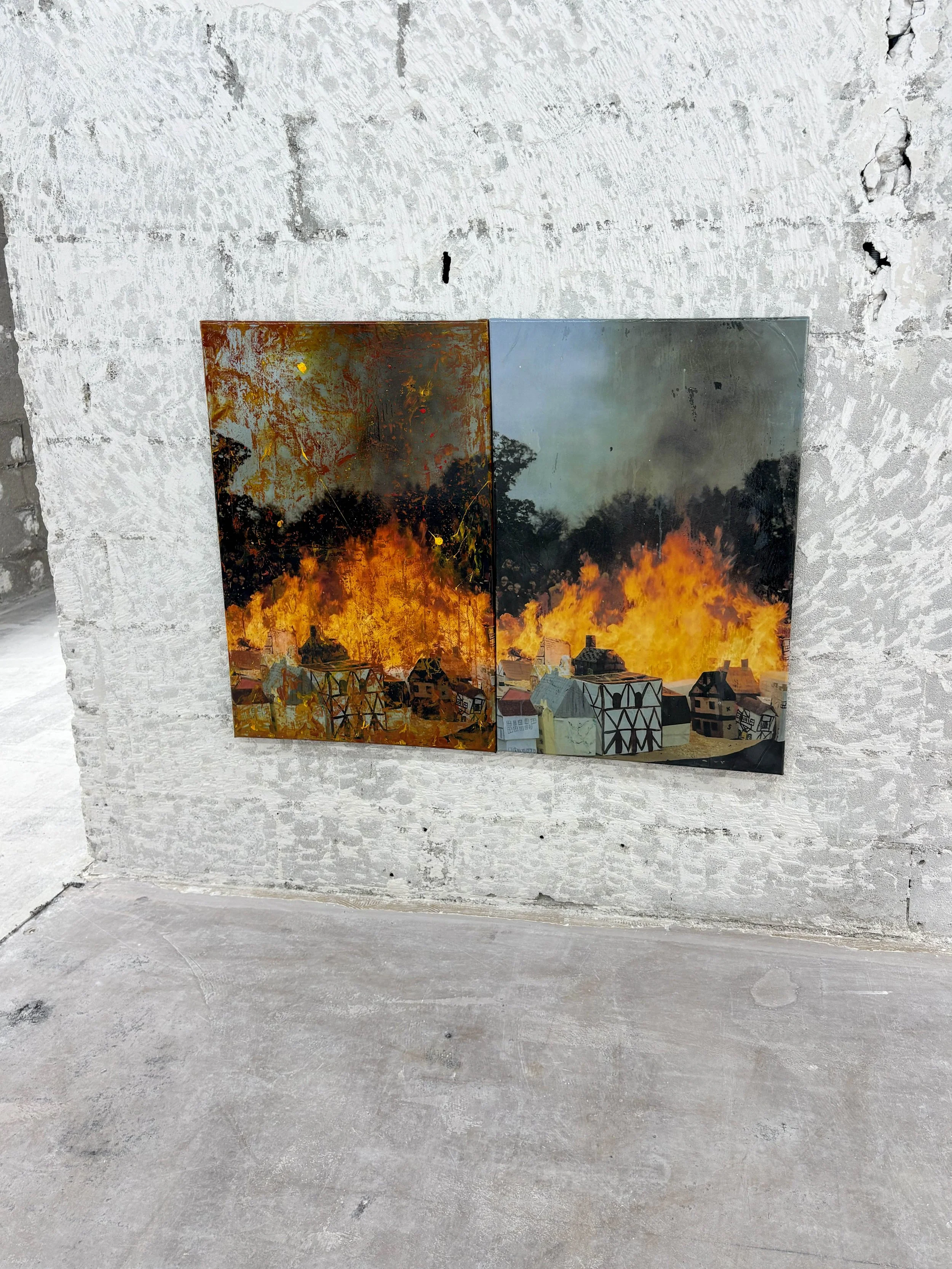
Whether it was because of my selective attention (also known as the Baader–Meinhof phenomenon, specifically when something catches your attention and you start noticing it everywhere, although it hasn’t become more common—sorry, I can’t help my calling to teach ya something) or because artists pick up on their environment (I lean toward this second reason), I could not stop seeing two ever-present tendencies: fire/burning/burnt/charcoal and body dysmorphia/Frankenstein/robo-human beings. Sometimes together.
Six rare films by Ana Mendieta, presented by Marian Goodman at Offscreen, show the artist’s figure outlined in earth, eventually buried, burnt or sunk in blood or water. The body is at the core of Mendieta’s practice, a body of transformation, transition, purification, forgiveness and revenge. Much of that happens through fire, the companion of humanity.
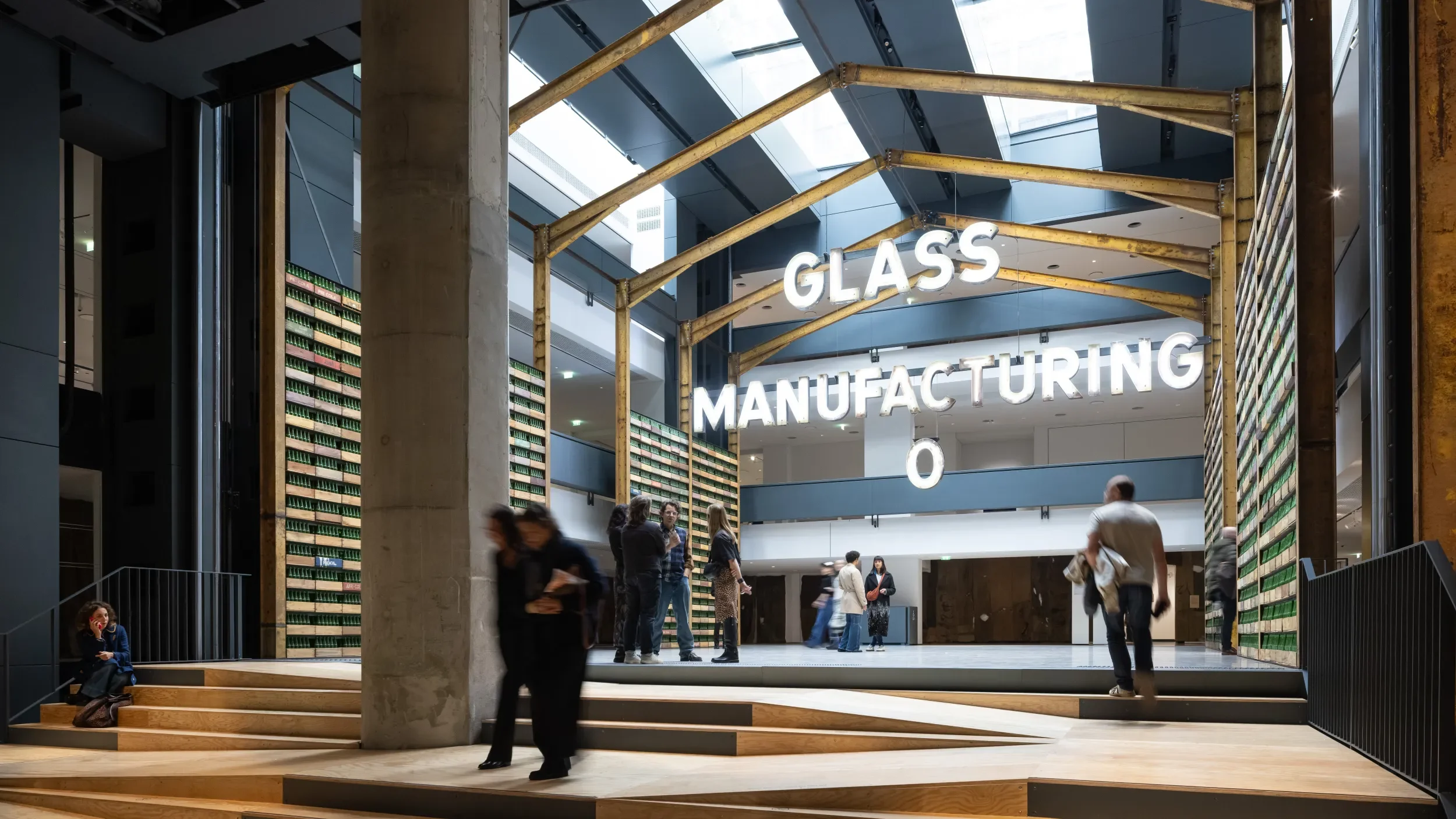
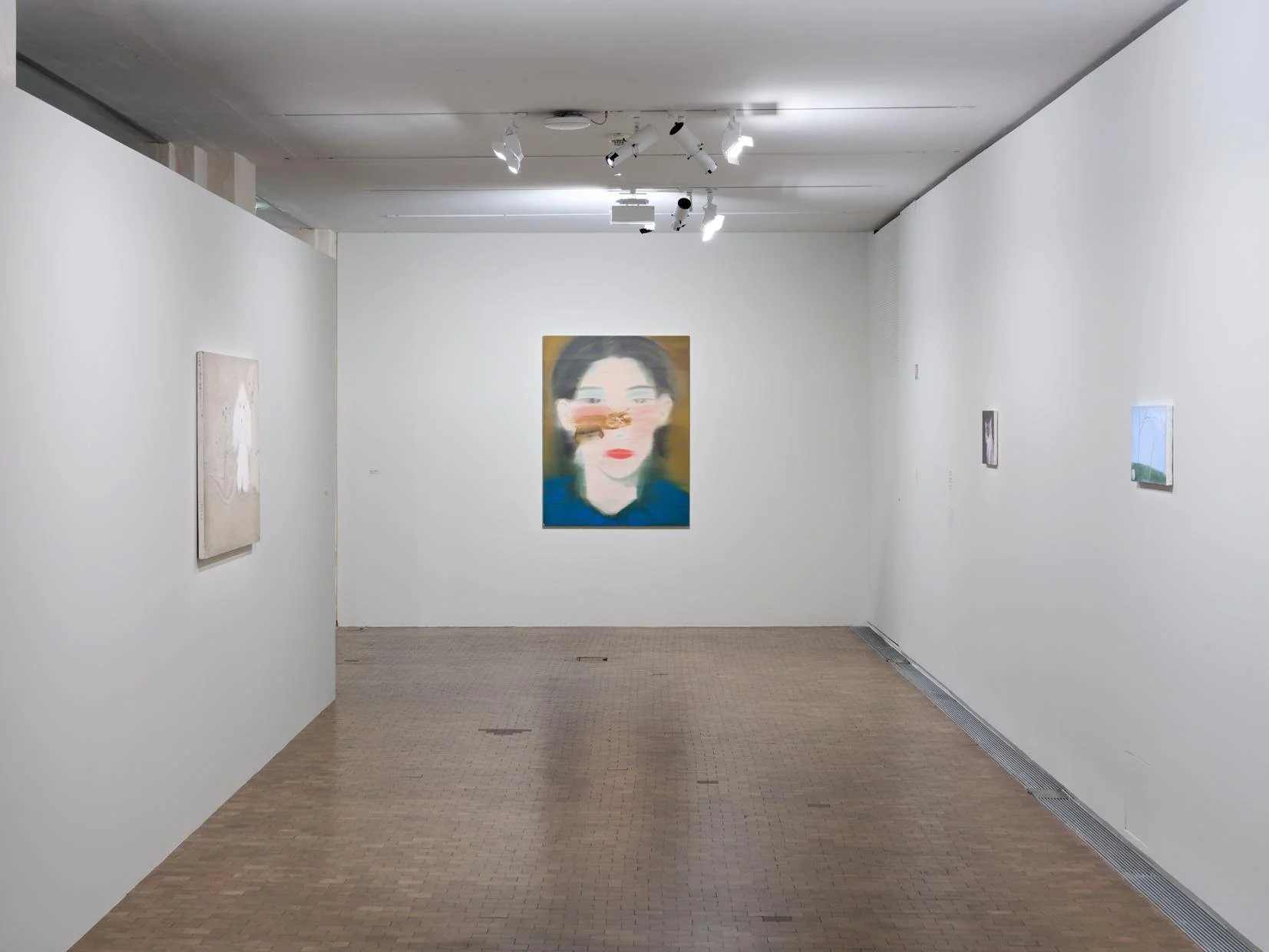
1. J’AI VU, Jenny Holzer, Musée d’Orsay, Paris 20262. Exhibition view, Le Temps des récoltes, Ibrahim Mahama, Fondation Cartier. Paris 2026.3. Exhibition view, Towards a Sea, Yu Nishimura, Lafayette Anticipations, Paris, 2026.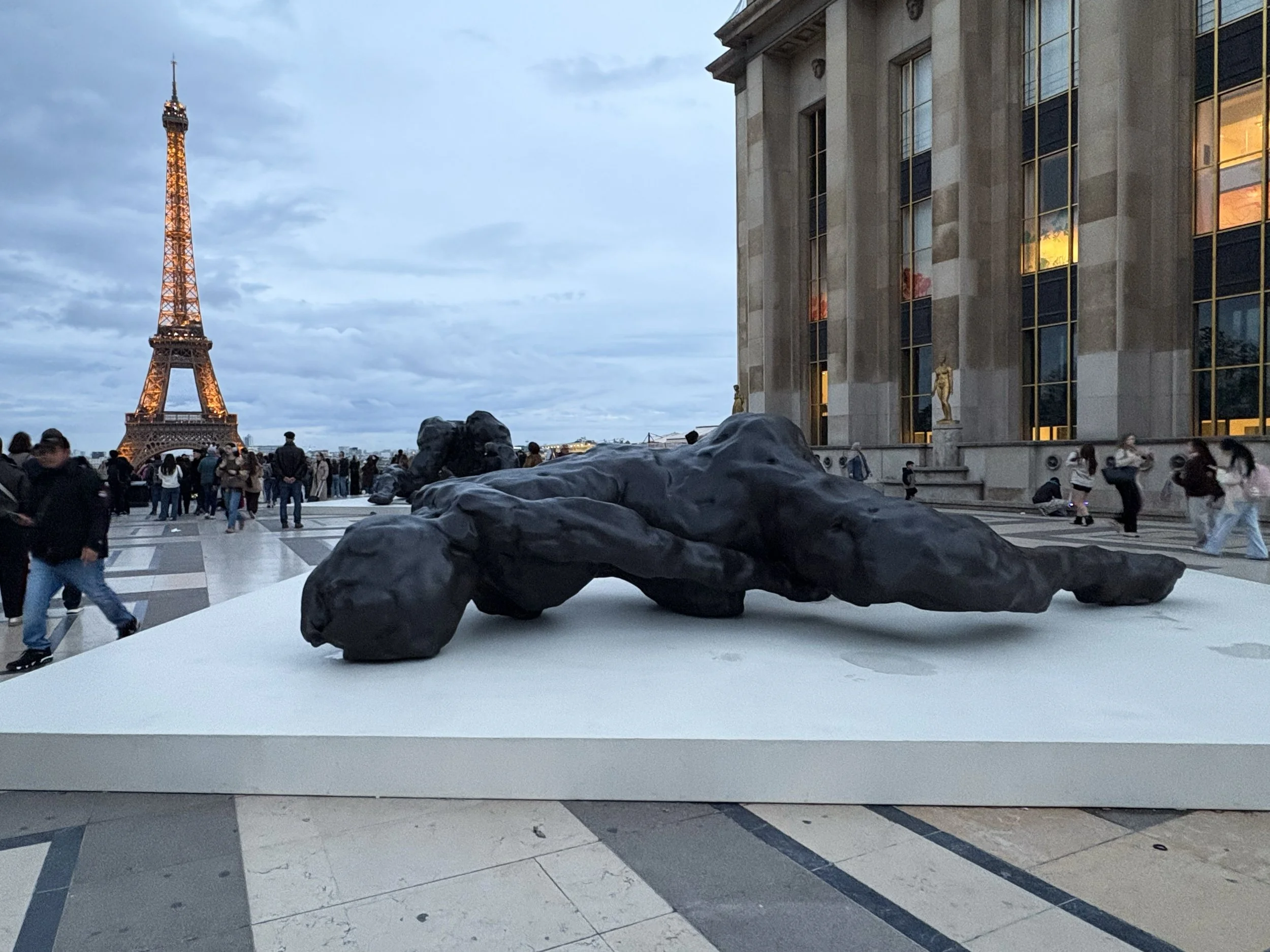
At Art Basel, Yayoi Kusama’s Life, timidly presented at Victoria Miro’s booth, was my highlight on this topic. Both tentacles and flames, these forms erupt from the ground in a blaze that seems an inevitable outcome. Whether something is growing or everything is burning remains an open question.
Art is art and life is life, and sometimes life gets mixed in with the art. A banal ending to a hopefully less banal monologue.
I’ll be back soon with more show critique.
-g
Tom Bull, General Expenses’booth, Paris Internationale, 2026Tracey Emin, bronze sculptures at the Trocadéro, Paris, October 2026But there were also more humorous characters, such as Enrique López Llamas’ Kurt Cobain, presented by the Mexican gallery Llano, and Isaac Lythgoe’s teddy bear, presented by the Czech gallery Piktogram, both at Paris Internationale. At the same fair, Naples-based Galleria Fonti showed a dialogue between Felix Shumba and Kiluanji Kia Henda that was impressively on point on our dystopian dysmorphia topic, while General Expenses, Mexico again, showed Tom Bull’s pitch-black miniature huts.
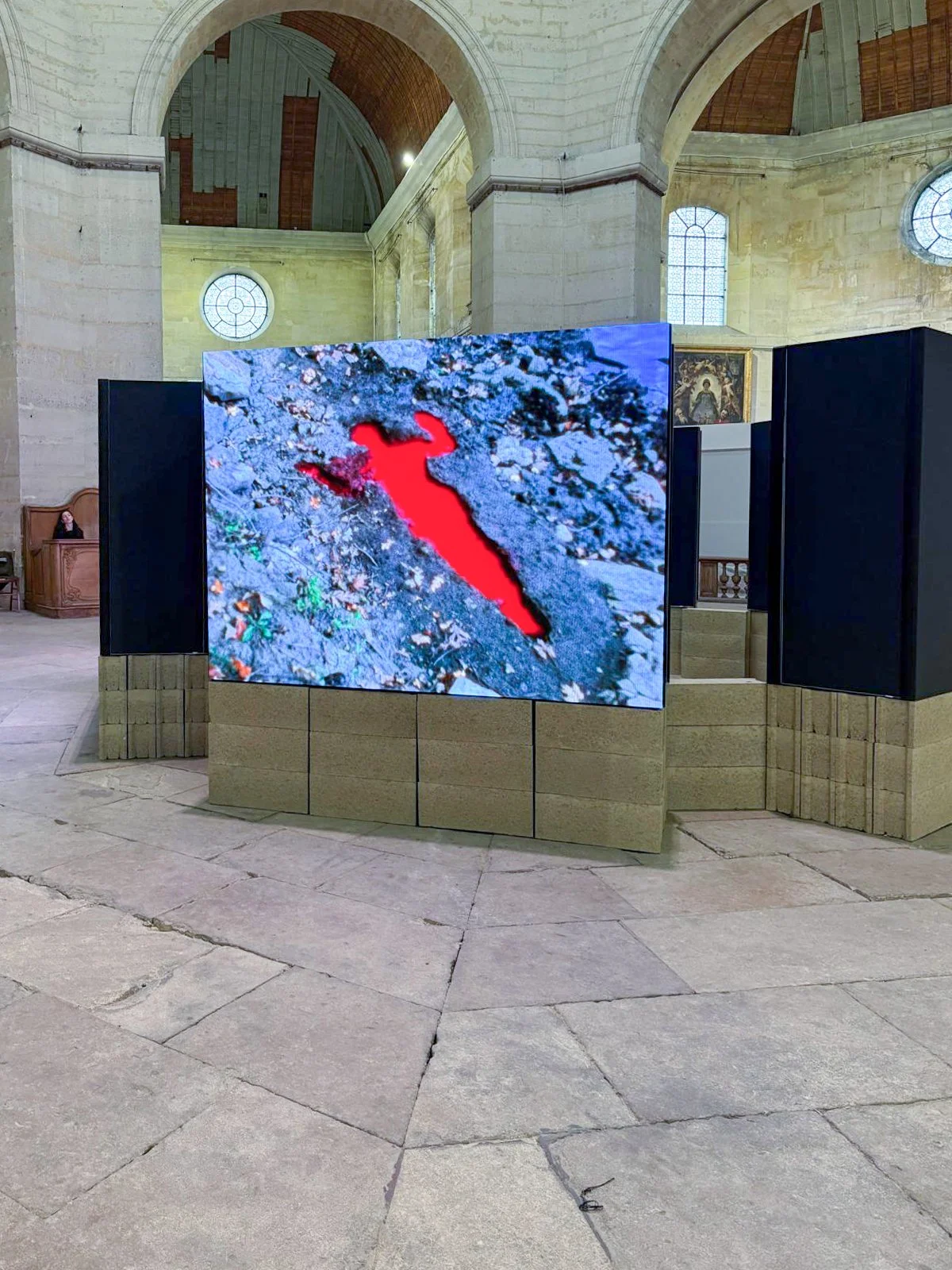
Installation view, Ana Mendieta, Offscreen, Paris, 2026.Prune Nourry’s colossal Mothership came from Nantes to the front of the Petit Palais, transforming the pregnant human body into a Leviathan-like skeleton, while Tracey Emin’s lumpy human figures lie heavy and vulnerable, exuding the essence of human pain, symbolically on the Parvis de l’Homme.
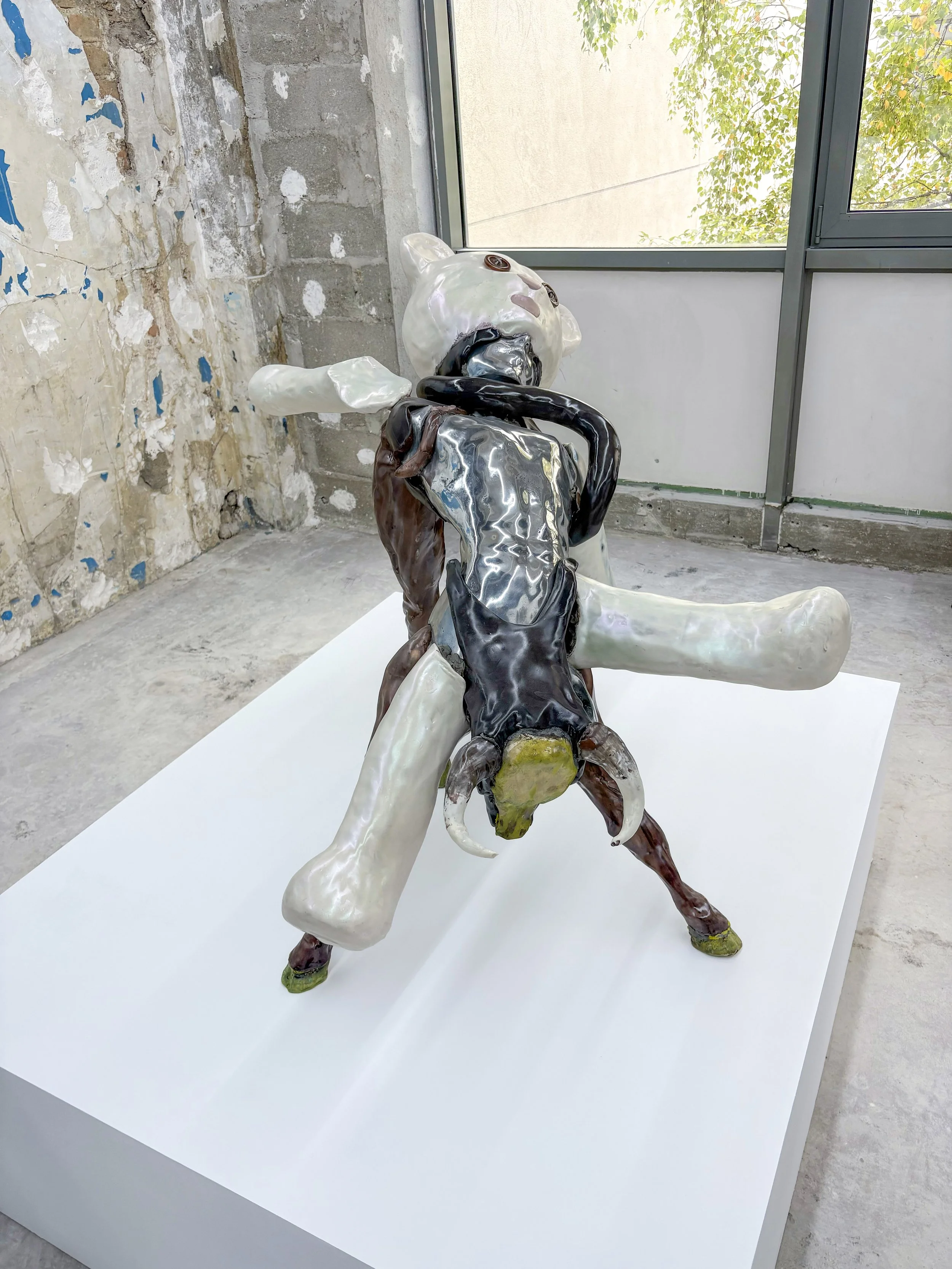
Isaac Lythgoe, Piktogram’s booth, Paris Internationale, 2026Isaac Lythgoe, Piktogram’s booth, Paris Internationale, 2026